


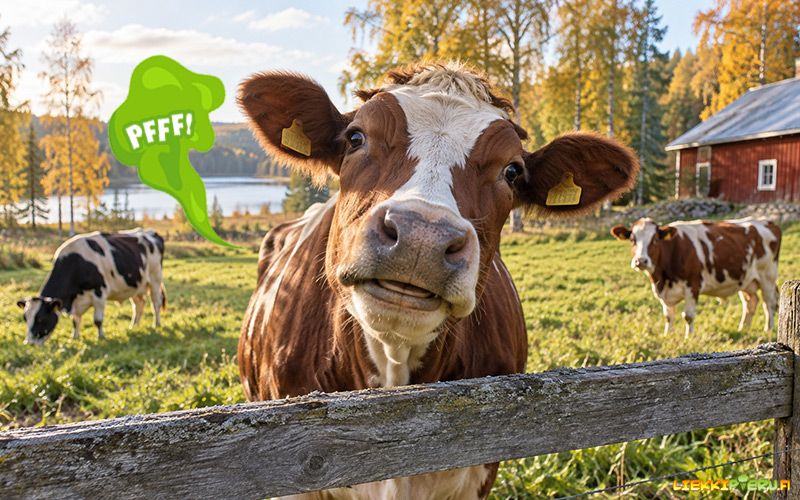
Do Cows Fart Methane or Burp It? The Science Explained
Do cows really fart methane, or does most of it come out as burps? The answer might surprise you. Most of the methane produced during a cow´s digestion escapes through burping rather than farting. The gas forms mainly in the rumen, where microbes break down the plant material cows eat. Manure can also produce methane, but that happens after it leaves the animal. Cow farts, digestive methane emissions, and manure emissions are not the same thing. Here´s why most of the gas takes the upward route and how to tell these often-confused sources of methane apart.
The Rumen Is a Fermentation Chamber, Not a Fart Factory
Cows are ruminants, meaning they have a specialized digestive system designed to process plant material. Their stomach has four compartments, including the rumen. People sometimes say cows have four stomachs, but technically, they have one stomach divided into four sections. The rumen provides the ideal environment for microbes to break down food through fermentation.
These microbes allow cows to digest plant material that humans cannot process in the same way. As they break down food, they also produce gases, including methane. This gas is simply a byproduct of digestion, not some secret fuel reserve the cow is storing for later. Most of the methane formed in the rumen eventually escapes through burping.
However, chewing cud and burping are two different processes. When a cow chews its cud, it brings partially digested food back into its mouth and chews it again. Burping releases gas. Both are part of the same digestive system, but treating them as identical processes makes the explanation less accurate.
Cow Farts vs. Burps: The Difference Matters
A fart is gas released from the intestines through the anus. A burp, on the other hand, releases gas through the mouth. That´s why describing all cow methane emissions as farts creates a misleading picture of where most digestive methane actually comes from.
Of course, this doesn´t mean cows are magical creatures that never fart. They certainly can. The important distinction is which route carries most of the methane. When discussing methane produced during a cow´s digestion, burping is generally the more accurate term.
The same distinction matters when discussing gas in humans. A related article explores whether carbonated drinks make you fart or burp. However, a cow´s rumen works quite differently from the human digestive system, so the bubbles in a soda bottle aren´t exactly a miniature model of cow digestion.
Manure Produces Methane Outside the Cow
Cows are also associated with methane emissions from manure. However, this methane comes from a different source than the gases produced during digestion. When microbes break down organic matter in manure under oxygen-free conditions, they can generate methane.
Storing liquid manure, for example, can create the right conditions for methane production. The amount released depends on how the manure is handled and the surrounding environmental conditions. Not all manure management systems produce the same amount of methane, so results from one farm cannot automatically be applied to every dairy barn.
Methane escaping from a manure storage tank isn´t a cow fart that was somehow saved for later. It´s newly produced gas resulting from microbial decomposition outside the animal. This distinction may sound like a minor technicality, but it matters when deciding how methane emissions can be reduced.
Scientists Don´t Measure Methane by Listening to Burps
The volume of a cow´s burp, or the amusing expression on its face, tells scientists very little about how much methane it releases. Researchers use specialized equipment to collect and measure gases. At the University of California, Davis, for example, research facilities have used chambers positioned around cows´ heads to capture and analyze gases released by the animals.
In the same research environment, gases from manure are studied using separate measurement systems. This allows scientists to distinguish between methane produced during digestion and methane released from manure. Understanding exactly what is being measured is essential before drawing conclusions.
When a news report claims that methane emissions have decreased, a useful question is: what exactly did the researchers measure? A reduction in methane released through burping doesn´t automatically mean emissions from manure storage have fallen. Likewise, improving manure management doesn´t necessarily mean the cow´s rumen is producing less methane.
Four Terms You Shouldn´t Confuse
- Enteric methane: Methane produced by microbial activity inside an animal´s digestive system. In cows, most of it escapes through burping.
- Fart: Gas released from the intestines through the anus. The term describes how gas leaves the body, not every type of emission associated with an animal.
- Manure methane: Methane produced when manure decomposes outside the animal, particularly under oxygen-free conditions. Emissions depend on storage and handling practices.
- Greenhouse gas emissions: A broader category that includes methane and other gases. A reduction in methane alone doesn´t necessarily mean all greenhouse gas emissions have decreased.
How to Understand Claims About Cow Methane Emissions
"Cow farts" makes a catchy headline, but understanding the science requires more than a clever joke. The next time you encounter a claim about methane emissions from cattle, consider these five questions:
- Identify the source. Is the article discussing methane from digestion, manure, or the entire livestock production system?
- Check which gas is being measured. Does the research focus specifically on methane, or does it cover several greenhouse gases?
- Look at the comparison. If emissions have supposedly decreased, what baseline or previous situation is being used?
- Examine the study´s limitations. The animals, diets, and measurement conditions in one experiment may not represent every farm.
- Read the original explanation. University research reports and official scientific sources can help determine whether a headline accurately reflects the findings.
Imagine reading a headline claiming that "cow emissions have dropped." That statement leaves several important questions unanswered. If researchers measured only methane produced during digestion, the report should say so. The same applies to manure management. A positive result can still be impressive without exaggerating what it actually proves.
Separating facts and drawing the right conclusions sometimes requires the same kind of reasoning used to solve puzzles. If you enjoy giving your brain a workout, online logic puzzles can be a fun way to test your problem-solving skills, even if they don´t involve mysterious cow methane emissions.
Different Methane Sources Require Different Solutions
Reducing methane emissions from cow digestion often involves examining animal diets, feeding practices, and livestock management. Methane from manure, meanwhile, can be addressed through changes in storage and handling methods. In other words, there isn´t one giant gas valve that farmers can simply turn off to solve everything.
Some manure management systems can capture methane and use it to produce energy. However, methane production and methane capture are not the same thing. What matters is whether the gas is successfully collected and used or allowed to escape into the atmosphere.
Other environmental impacts must also be considered when evaluating solutions. Changing manure management practices can affect greenhouse gases beyond methane. That´s why no single method should be declared the ultimate solution based on reductions in just one gas.
Not Every Animal Produces Gas Like a Cow
Animal gas production is a much broader subject than methane from ruminants. For a rather different example, explore whether fish fart and whether herring communicate using fart-like sounds. Before deciding what an underwater bubble means, it´s worth identifying the species and understanding how the gas or sound is produced.
The Bottom Line: Cow Methane Mostly Comes Out as Burps
So, do cows fart methane or burp it? The simple answer is that most methane produced during cow digestion is released through burping. Methane from manure is a separate issue that needs to be examined independently. The next time you see a headline blaming cow farts for methane emissions, take a moment to check the actual source of the gas and what the research measured. The jokes can stay, but the science should come out of the right end.


